The Positive Difference Trauma-Informed Relationships Can Make - Loneliness Awareness Week
CourseWeDo • 22 June 2020
Recorded webinar: 19th June 2020
As it's Loneliness Awareness Week come and join us as we discuss the impact of loneliness on different sections of our community; children who have experienced or witnessed domestic violence: young people with backgrounds of adverse childhood experiences and challenging circumstances: parents and carers: educational staff and counsellors.
Guest speakers:
Guest speakers:
Jane Pickthall - Virtual School Head, North Tyneside Council
Ann Dix -Dramatherapist and author, specialist in domestic violence
Kevin Street - Vice-chair and member of fostering panels, former teacher and author
Rhona Kenny - Counselling Manager/Safeguarding lead, Croydon Drop-in
Basil Morris - Counsellor, Croydon Drop In (young people)
Nicole Schnackenberg - Educational Psychologist, Southend Educational Psychology Service
The Webinar was timed to coincide with the first day of 2020's Great Get Together, started by the Jo Cox Foundation in her memory, bringing communities together - more in common than what divides us.
Watch as we share our experiences and ideas on building and sustaining relationships that really, really matter, and help reduce loneliness for everyone.
19th June 2020
19th June 2020
Comments from the webinar:
- Thank you very much. I thought that Andrea Perry was very insightful - I valued the way Andrea summarised what panelists said, and made connections between different ideas. I found the webinar really enlightening and an excellent chance to learn about perspectives from a range of professionals who I would not typically have the chance to listen to.
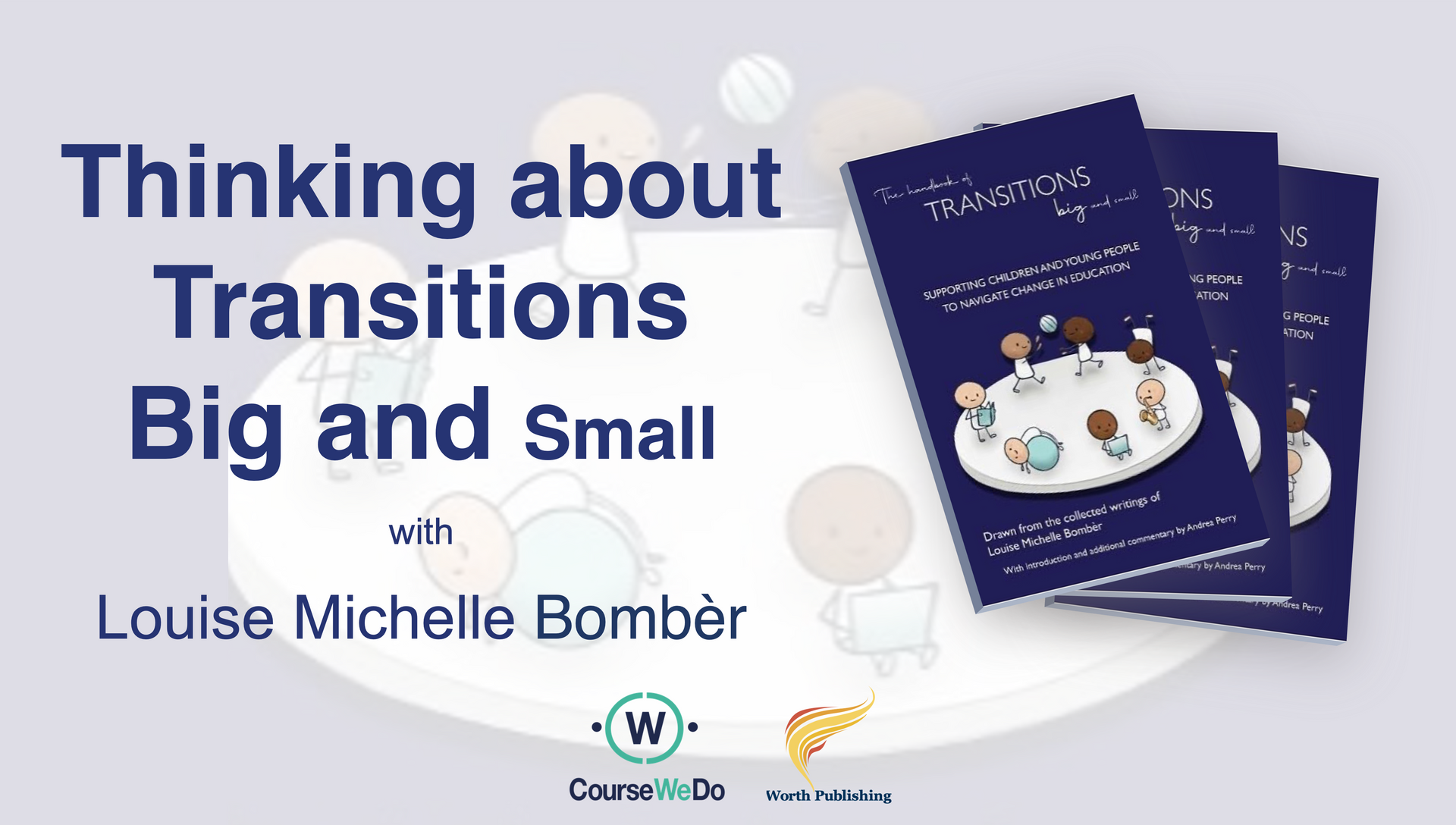
To celebrate the publication of our new book, the Handbook of Transitions which draws on the work of Louise Michelle Bombèr (founder of Allado ) updated and annotated by Andrea Perry, we are delighted to offer you this special webinar. Louise has practised for 20 years as a specialist in supporting children in schools who have experienced relational trauma and loss, and is widely known for her many practical. innovative and inspiring books and presentations. Andrea Perry is an integrative psychotherapist and also the Commissioning Editor of Worth Publishing and a writer. We all know that transitions are a big part of life. Everyone can find them challenging at times, and that includes all the children or young people in our schools today. So this webinar is relevant to everyone who wants to support them through the stress and anxiety that change can sometimes bring about. And because of past experience, some pupils' capacity to navigate transitions well can be particularly challenged, especially when key protective factors are absent. So what do we need to do, as the adults, to support all pupils to learn that transitions can be handled well, to enable them to have confidence in themselves going forward? Why is our own self-awareness and capacity for self-regulation so important in helping us do this? And what part do recent social changes play in managing transition? We address core themes of power, control, choice, timing and pacing, creating safety, self and co-regulation, and much more, including key beginnings and endings, uncertainty and ambiguity, disappointment, sudden change, exclusions and their aftermath, and more. KEY LINKS Louise Michelle Bombèr 2026: The Handbook of Transitions Big and Small Louise Michelle Bombèr 2026: Know Me to Teach Me Find more of Louise’s books and other attachment aware & trauma informed resources at CourseWeDo CourseWeDo Reach4CARE app and Kinship Family App Reach2Teach Action for Inclusion Tool - AFIT Other key references Adverse Childhood Experience Positive Childhood Experiences Suzanne Zeedyk Dan Hughes’ PACE (Playfulness, acceptance, curiosity and empathy) Participant comments on webinar So refreshing to hear racism, poverty, discrimination spoken about in this webinar as far too often services and professionals never mention it I like the phrasing around adults making friends with their own nervous system What stays the same [during a transition] is so important! The sky will stay the same 💕 Some children have too many fresh starts. The Principles of Attuned Interaction and Guidance and intersubjectivity that underpins Video interaction Guidance (VIG) is really helpful in thinking about practical building blocks to help adults with following and leading. Children sometimes are made to feel like failures if they struggle to adapt to a new change - I think reassuring that it is ok to feel loss and the things that continue/stay the same is really reassuring for some children With any child in care presenting with trauma and ?Comorbid adhd etc? Fasd should be starting point for assessment/intervention Thank you so much, really thoughtful and kind presentation Stunning as ever - I really love your training - thank you! Wonderful to hear Louise reaffirm all those messages - thank you! Will buy the book and check out the links. Ps, please come to Ireland Louise - we would love to have you in Galway! Thanks so much, really interesting discussion. Thank you such interesting training Thanks so much, really interesting discussion.
When a child or young person presents with challenging behaviour, the first thing we can change is ourselves and how we respond, which can make all the difference to the outcome. This is especially true if they are at risk of being excluded. Their behaviour is so often a communication about their relational and learning needs, and some of the strongest needs in that mix will be for adults capable of genuinely connecting with them, seeing and valuing them beneath the behaviour, and working to meet them in the most helpful way we can. And it is 'we' - we are all accountable for how we respond and for the environment in which children and young people who have experienced trauma and loss struggle to find a footing. Our webinar speakers, both highly experienced lead practitioners from Virtual schools (Hampshire and Cumberland), have given this issue serious thought, and used the AFIT needs analysis software to support themselves and their teams to develop their capacity to be the 'Adults who ...' with heartening outcomes for the children and young people they work with.
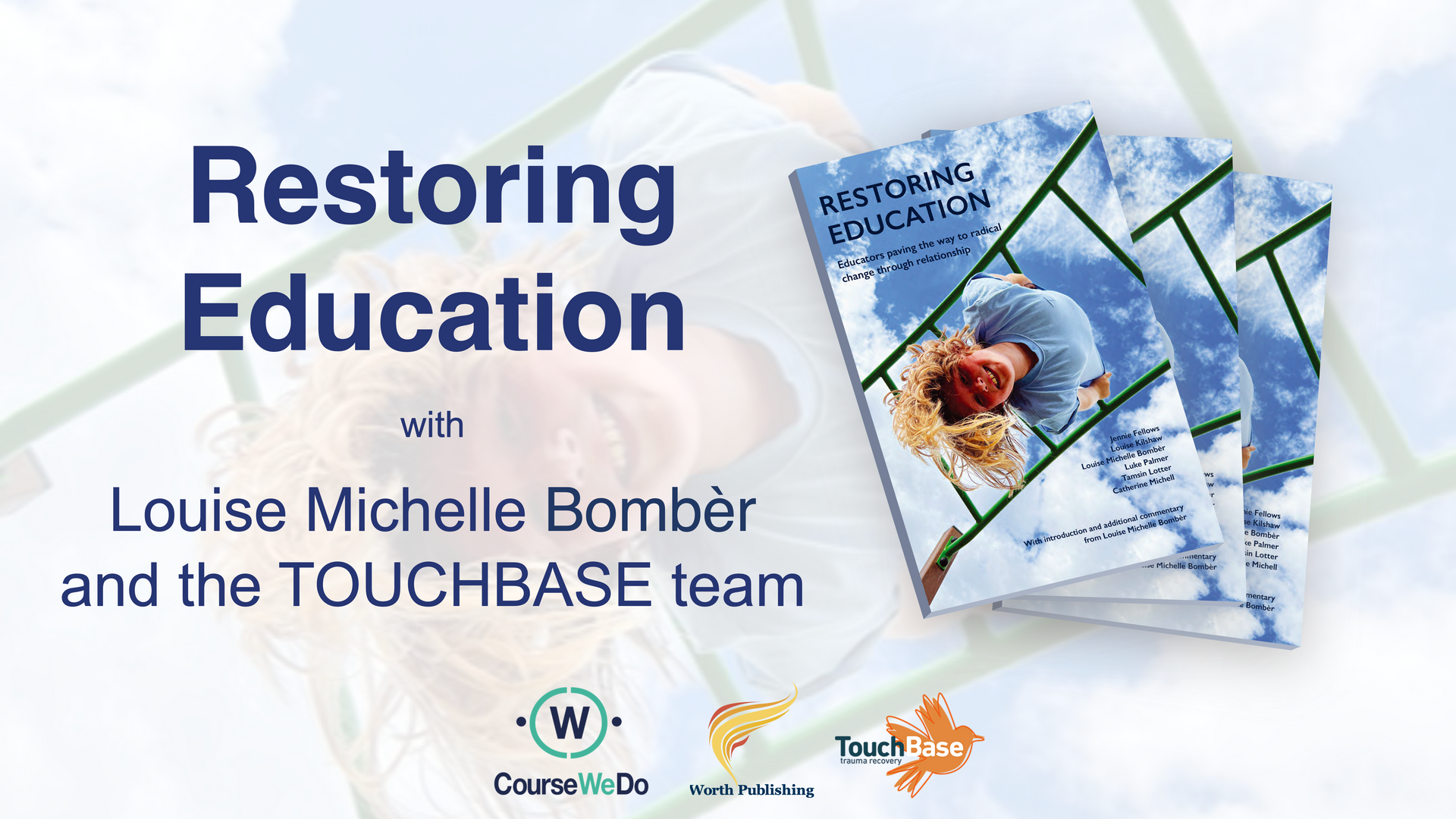
Louise Michelle Bombèr and members of her TouchBase team present the practice and ideas behind their new book, Restoring Education: Educators paving the way to radical change through relationship
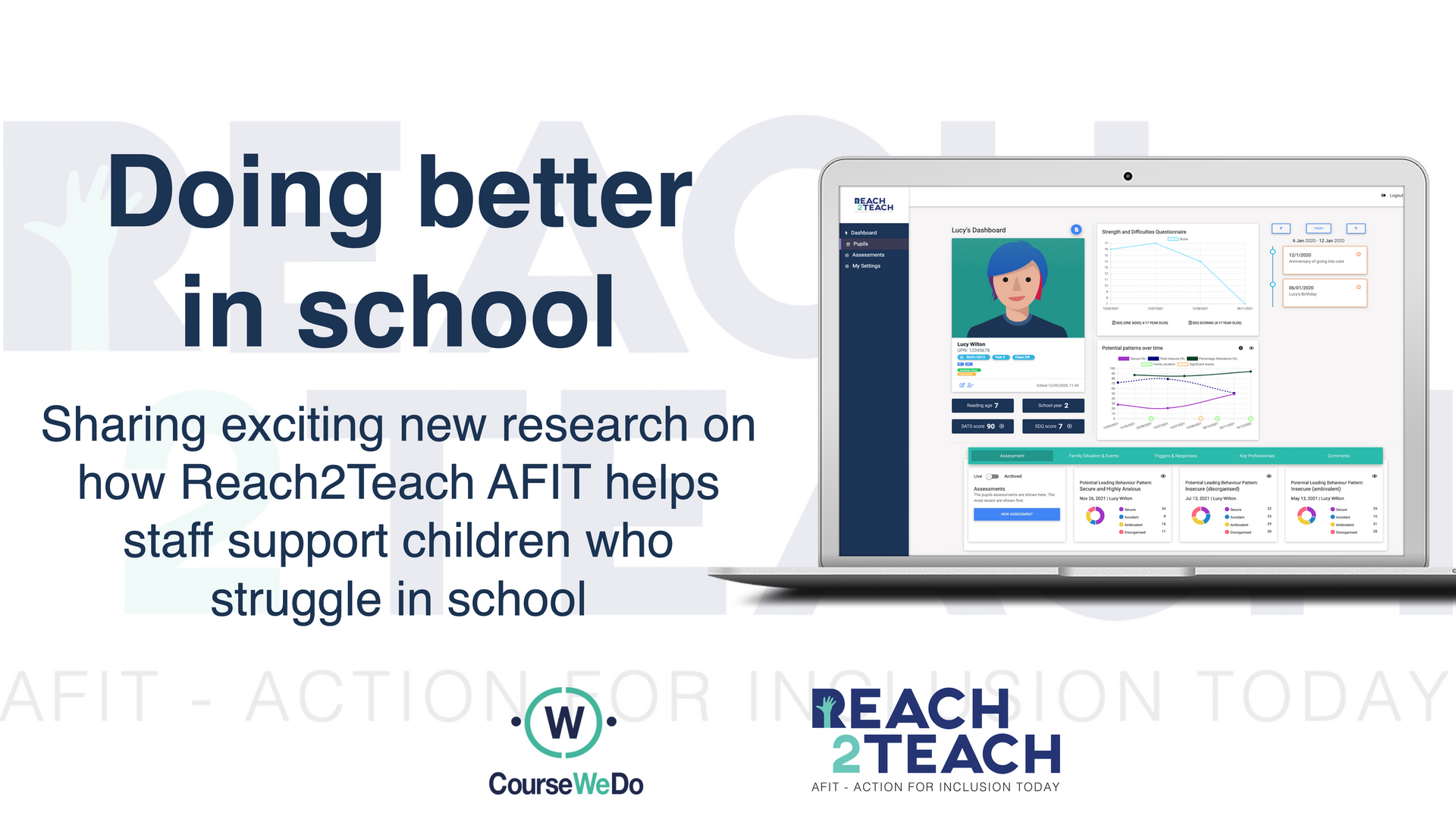
Sharing exciting new research on how Reach2Teach AFIT helps staff support children who struggle in school
Supporting Kinship Carers through the process of enabling their child to feel safe, settle and thrive in their new home, as well as at school
Introducing the power of storytelling to support children to express themselves. Support looked after children reflect on issues that really matter to them
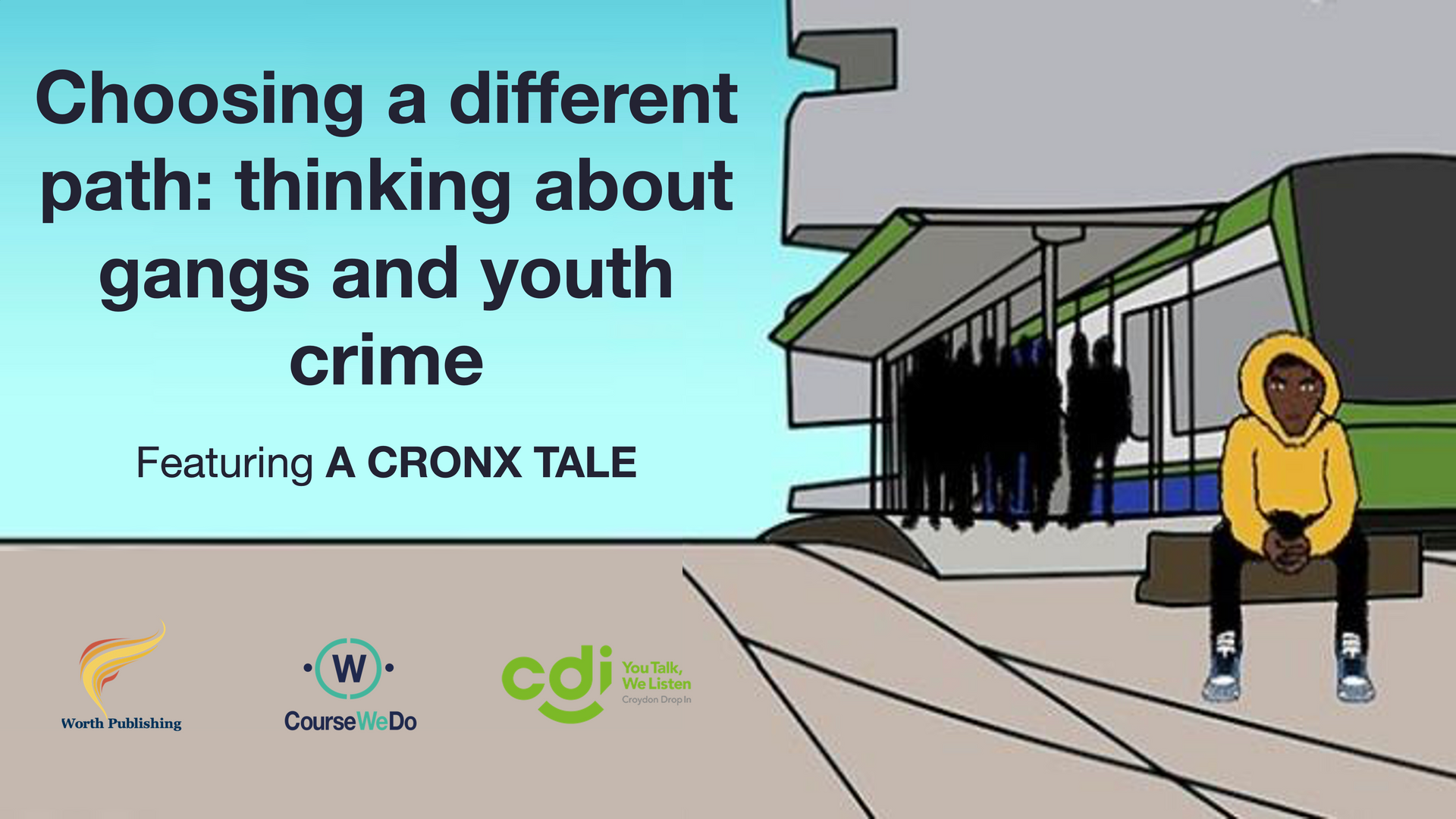
Preview part of an 'unapologetically hard-hitting animation' supporting young people vulnerable to becoming involved with gangs and crime
Life in school post Covid - absenteeism and mental health difficulties - share effective, supportive practice and innovation
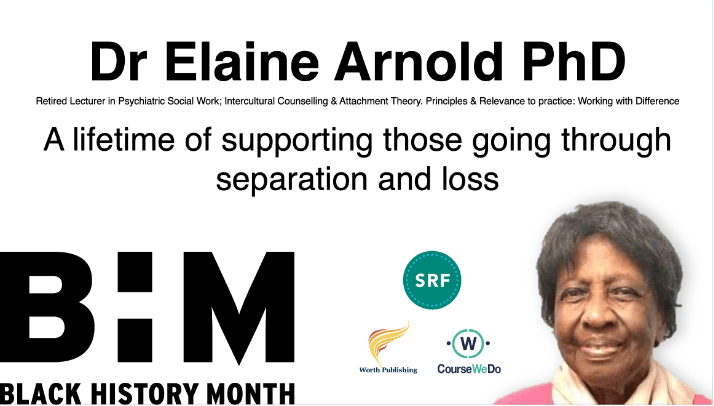
To celebrate BLACK HISTORY MONTH: Meet Dr Elaine Arnold, whose extraordinary & unique career in education, social work, counselling, attachment, migration & culture, family separation & intergenerational trauma spans, amazingly, some seven decades.
Presenting the Reach4CARE App - for foster carers, adoptive parents, special guardians and input from those living & working with children looked after and adopted